
Academics
Message from the Head of Academic and Student Affairs

The Academic and Student Affairs Department supports the educational experience of every student across the school. Bringing together a wide range of specialist services, the department works in synergy with each curriculum and phase to ensure that students are supported academically, socially, emotionally, and personally throughout their school journey. Its responsibilities encompass Student Affairs, including pastoral care, child protection and safeguarding, family liaison, extracurricular activities, careers guidance, student counselling, and medical services, alongside Libraries, Learning Support, the Ministry of Education Curriculum, Registrar, and Communications. By providing integrated and responsive support, the department helps create the conditions in which students can thrive both within and beyond the classroom. The team is committed to promoting student wellbeing, strengthening home-school partnerships, and ensuring the efficient delivery of services that enhance learning and engagement. This collaborative approach contributes significantly to the school's mission of developing confident, successful, and well-rounded young people who are prepared to contribute as global citizens.
Rima Farah
In accordance with Ministry of Education and Higher Education (MoEHE) requirements, AKIS provides Arabic Language, Islamic Studies and Qatar History alongside its international curricula.
Ministry of Education Curriculum
Arabic Language
Students whose mother tongue is Arabic study Arabic as a First Language, developing confidence and fluency across reading, writing, speaking and listening.
Aligned with Ministry of Education and Higher Education (MoEHE) requirements, the curriculum strengthens students’ language skills while fostering pride in their language and cultural identity.

Speaking
Listening


Reading
Writing
Islamic Studies
Islamic Studies supports students’ spiritual, moral and personal development through a curriculum aligned with MoEHE requirements.
Students develop their understanding of Islamic beliefs, values and practices, while learning to apply these principles thoughtfully and responsibly in their daily lives.


Knowledge
Values

Community
Language of Instruction: Arabic for native Arabic speakers and English for non-native speakers.
Qatar History
Qatar History develops students’ understanding of the country’s history, heritage and national development while strengthening their appreciation of its culture and values.
Taught up to Year 9 in accordance with MoEHE requirements, the subject encourages cultural awareness, mutual respect and responsible citizenship.


History
Heritage

National Identity
Language of Instruction: Arabic for native Arabic speakers and English for non-native speakers.
Libraries
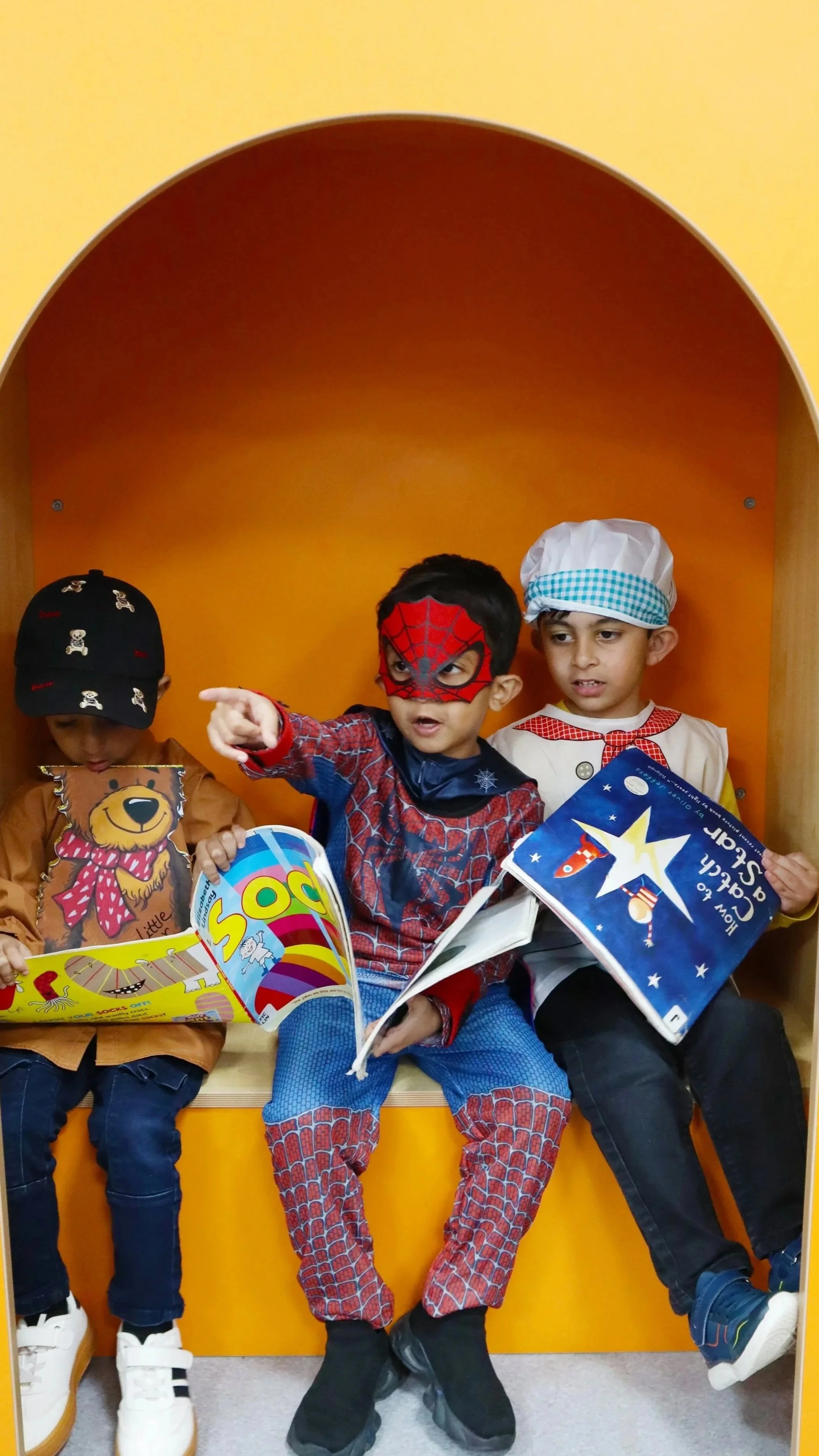
AKIS libraries provide welcoming and inclusive spaces that support reading, research and independent learning across all phases of the school.
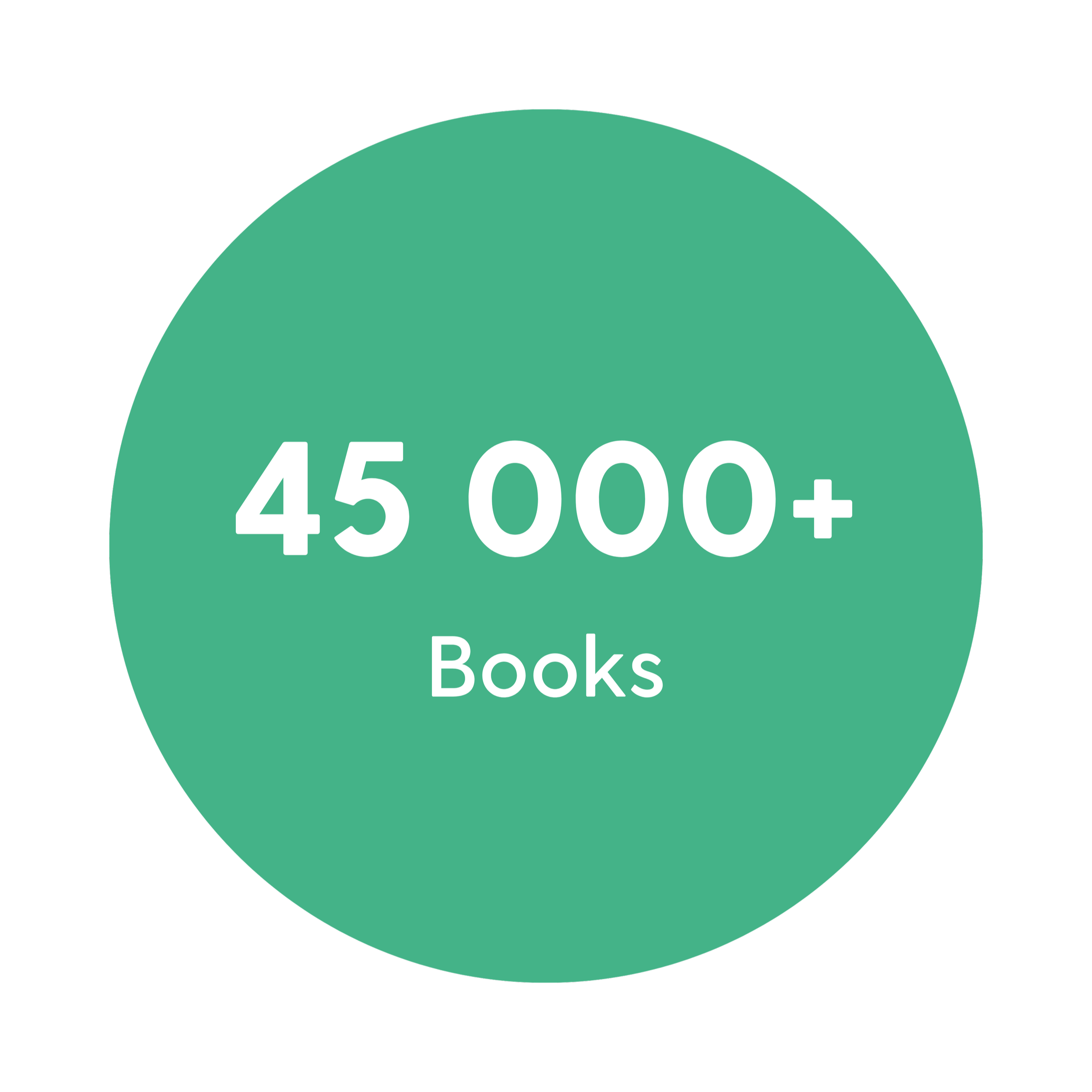
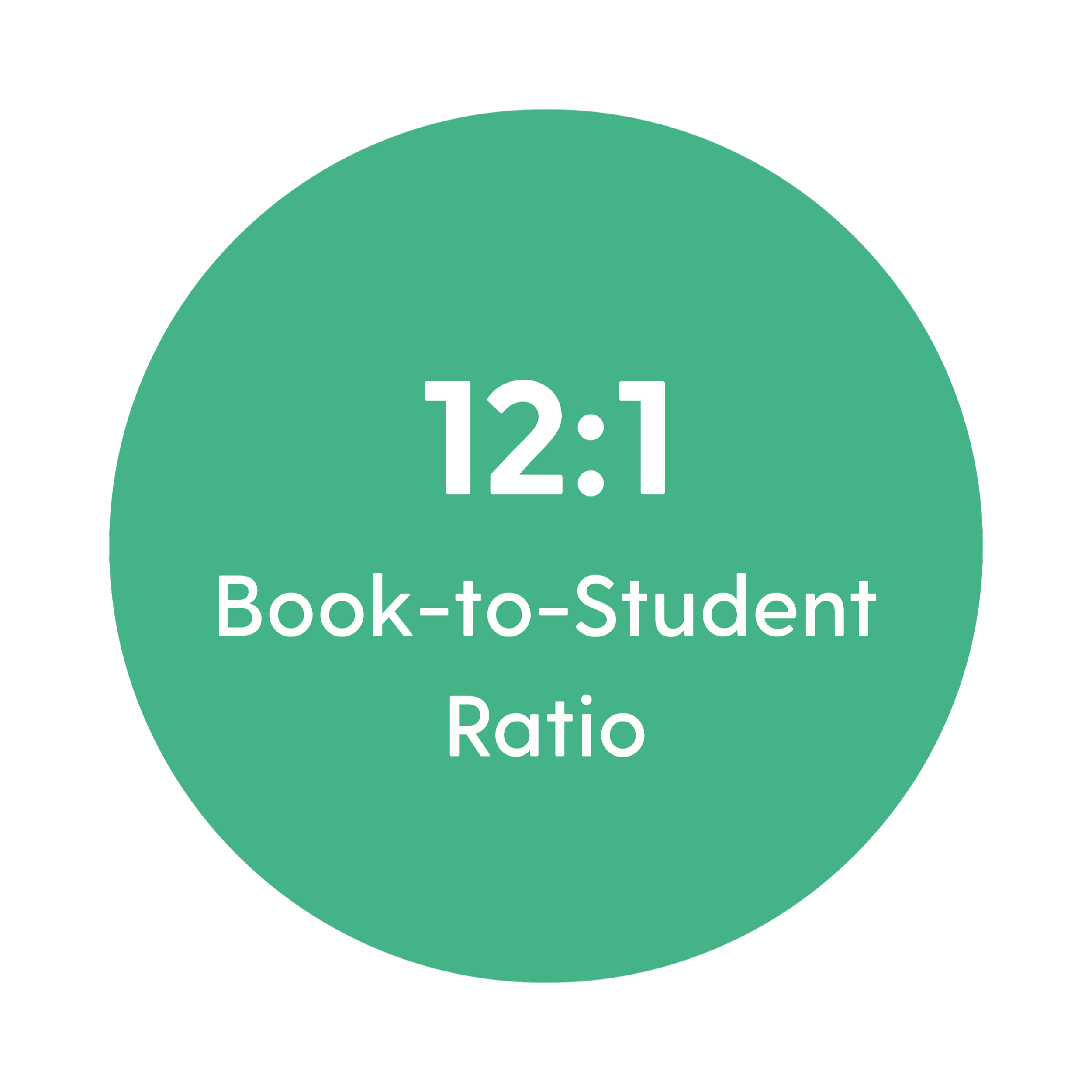
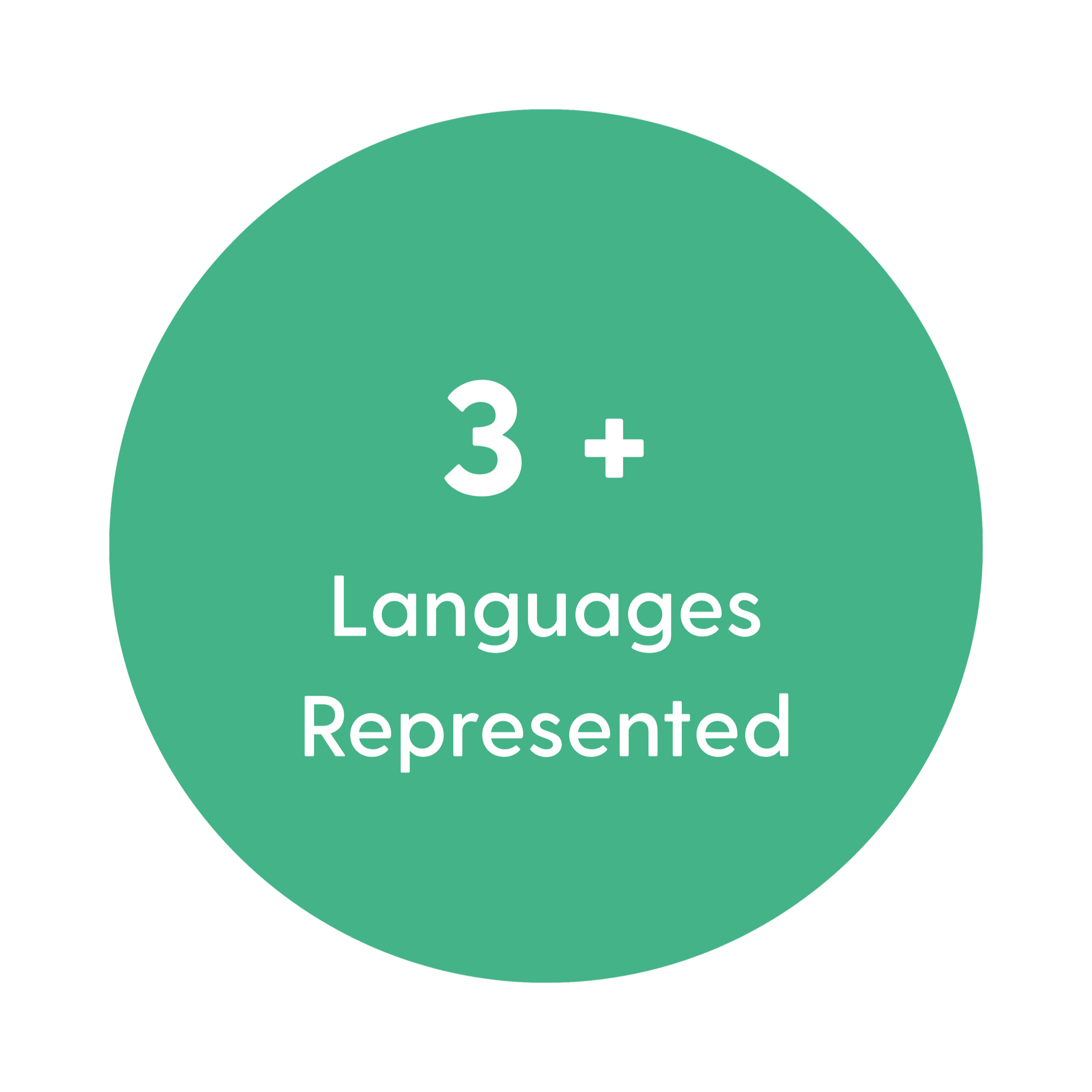
With carefully selected print and digital resources, our libraries support the curriculum while encouraging curiosity, confidence and a lifelong love of reading.
A Culture of Reading
Throughout the year, our libraries bring reading to life through events, activities and student-led initiatives.
World Book Day
Storytelling
Read Aloud
Author Focus





Library Captains
Opening Hours
Our libraries are open Sunday to Thursday, 7am - 3pm during term periods.